杭州电子科技大学信息工程学院与塞浦路斯弗雷德里克大学合作举办计算机科学与技术专业本科教育项目
🌍 外方院校:塞浦路斯弗雷德里克大学

🌍 塞浦路斯弗雷德里克大学
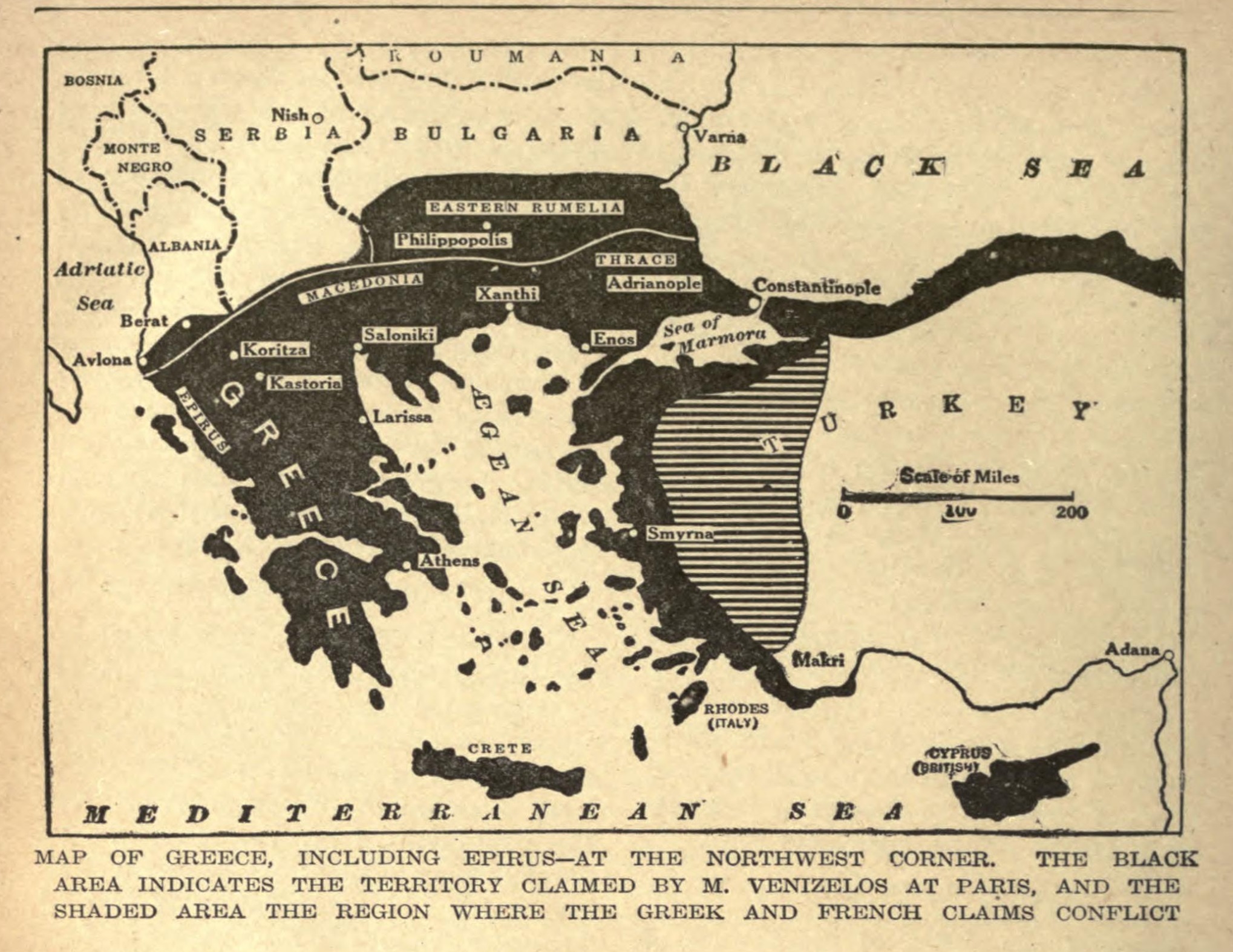
The Megali Idea (Greek: Μεγάλη Ιδέα, romanized: Megáli Idéa, lit. 'Great Idea') was a Greek nationalist and irredentist concept that expressed the goal of reviving the Byzantine Empire, by establishing a Greek state, which would include the large Greek populations that were still under Ottoman rule after the end of the Greek War of Independence (1821–1829) and all the regions that had large Greek populations (parts of the southern Balkans, Anatolia and Cyprus). The term appeared for the first time during the debates of Prime Minister Ioannis Kolettis with King Otto that preceded the promulgation of the 1844 constitution. It came to dominate foreign relations and played a significant role in domestic politics of the kingdom of Greece for much of the first century of its independence, up until the population exchange between Greece and Turkey in 1923. The expression was new in 1844 but the concept had roots in the Greek popular psyche, which long had hopes of liberation from Ottoman rule and restoration of the Byzantine Empire. The last Byzantine Emperor Constantine XI Palaiologos became known in later Greek folklore as "The Marble Emperor" (Greek: Μαρμαρωμένος Βασιλιάς, Marmaroménos Vasiliás lit. 'Emperor turned into Marble'), reflecting a popular legend that Constantine had not actually died, but had been rescued by an angel and turned into marble, hidden beneath the Golden Gate of Constantinople awaiting a call from God to be restored to life and reconquer both the city and